Residential Fumigation in Long Island, NY
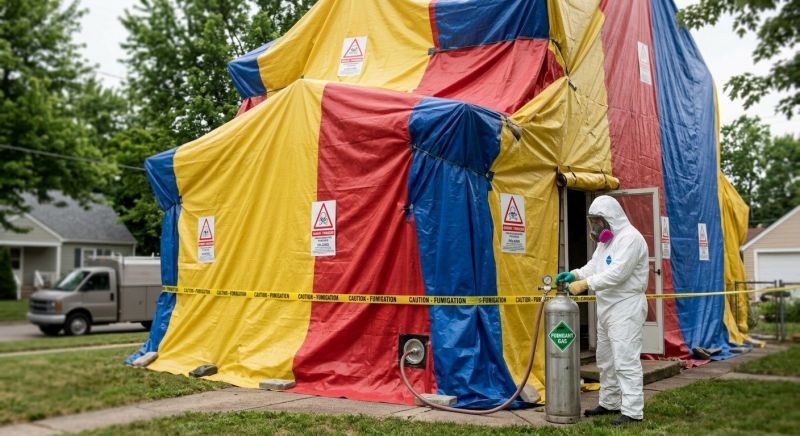
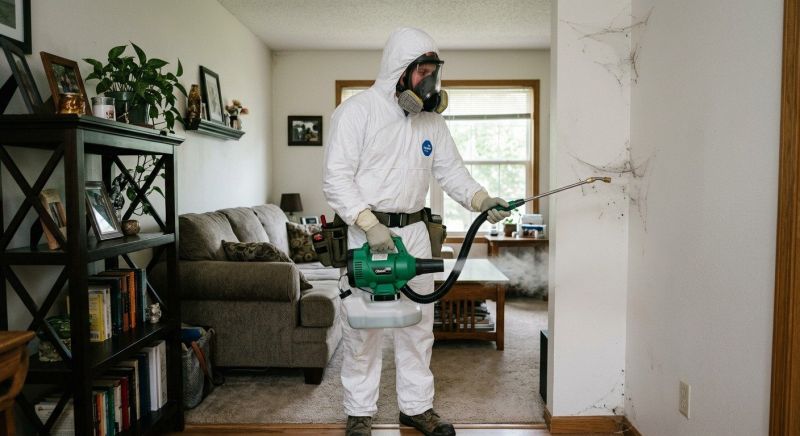
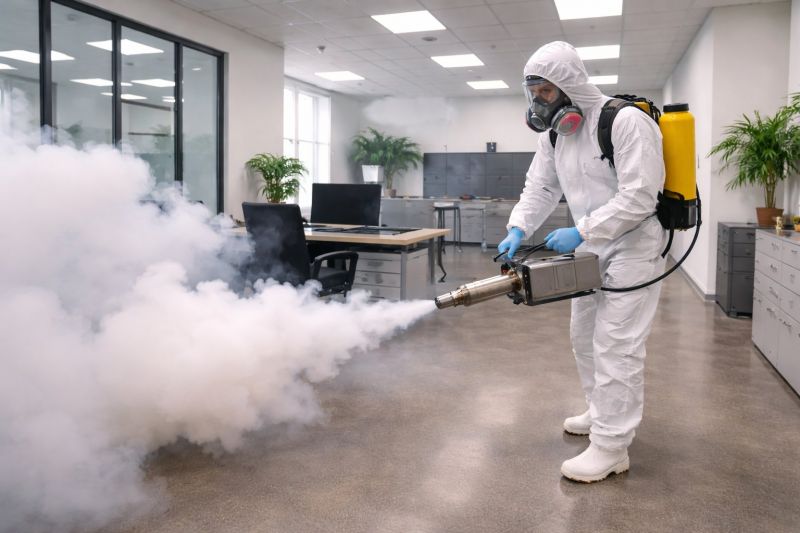
Residential fumigation services involve the controlled application of fumigants to eliminate pests such as termites, bed bugs, rodents, and other invasive insects within a home or property. These treatments are typically used for extensive infestations or when other pest control methods have proven ineffective. Projects may include entire houses, attics, crawl spaces, or specific problem areas, with the goal of thoroughly eradicating pests to restore comfort and protect property value.
Homeowners considering fumigation should understand that the process often requires temporary relocation during treatment and may involve preparation steps to ensure safety and effectiveness. It is important to discuss the scope of the infestation, the type of pests involved, and any specific concerns about the treatment process before requesting services. Proper planning and communication can help ensure the treatment is carried out efficiently and safely.
Many property owners in Long Island, NY look into Residential Fumigation for repairs, replacements, upgrades, and appearance-related improvements.
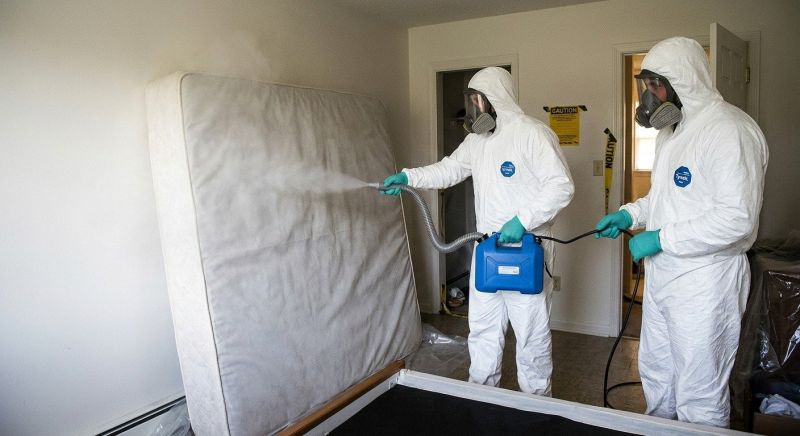
Pest Infestation Prevention
Residential fumigation effectively eliminates pests like termites, bed bugs, and roaches common in long island homes.
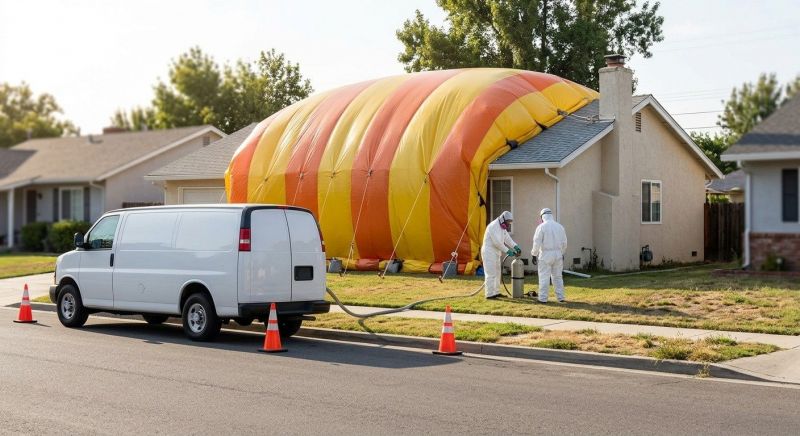
Protecting Your Home
Fumigation helps safeguard property structures and furnishings from pest damage and infestations.
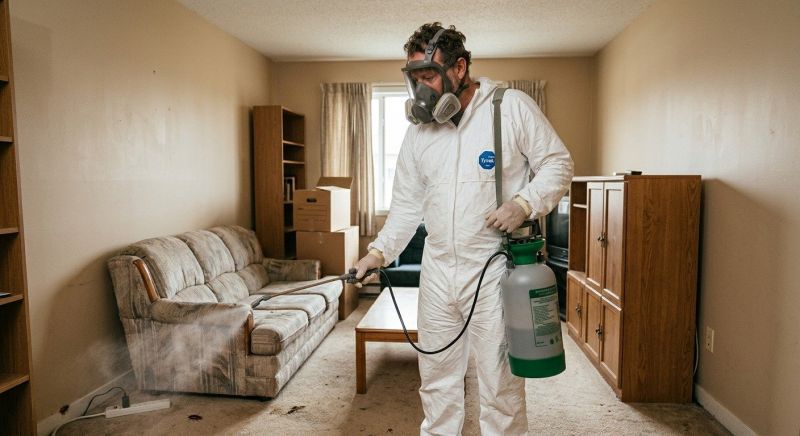
Safe And Thorough Treatment
Professional fumigation ensures comprehensive pest removal while maintaining safety for residents and pets.
Residential Fumigation in Long Island, NY

Residential fumigation services involve the controlled application of fumigants to eliminate pests such as termites, bed bugs, rodents, and other invasive insects within a home or property. These treatments are typically used for extensive infestations or when other pest control methods have proven ineffective. Projects may include entire houses, attics, crawl spaces, or specific problem areas, with the goal of thoroughly eradicating pests to restore comfort and protect property value.
Homeowners considering fumigation should understand that the process often requires temporary relocation during treatment and may involve preparation steps to ensure safety and effectiveness. It is important to discuss the scope of the infestation, the type of pests involved, and any specific concerns about the treatment process before requesting services. Proper planning and communication can help ensure the treatment is carried out efficiently and safely.
Many property owners in Long Island, NY look into Residential Fumigation for repairs, replacements, upgrades, and appearance-related improvements.
Common Residential Fumigation Jobs
Residential Fumigation - comprehensive treatment to eliminate pests from entire homes.
Infestation Removal - targeted fumigation to eradicate bed bugs, termites, and other pests.
Pre-Construction Fumigation - treatment of new or renovated properties to prevent pest issues.
Structural Fumigation - deep pest control to protect the integrity of the building’s framework.
Fumigation for Storage Areas - pest removal in basements, attics, and storage rooms.
Emergency Fumigation Services - quick response for urgent pest infestations needing immediate attention.
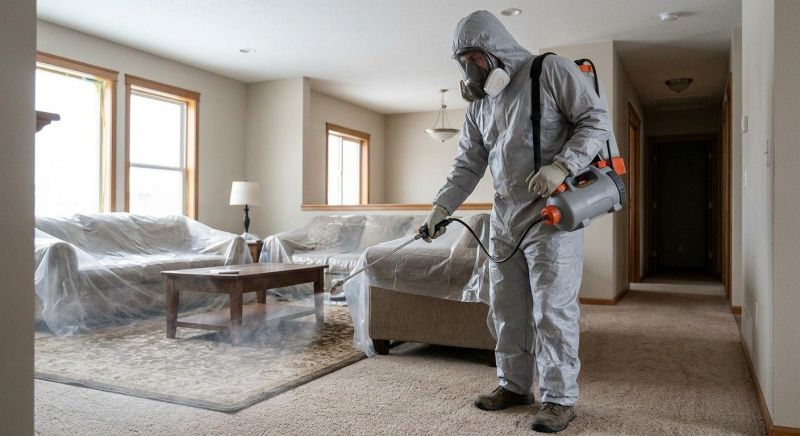
Residential Fumigation Questions
What pests are targeted during residential fumigation? Fumigation effectively controls pests such as termites, bed bugs, and other wood-boring insects that can damage homes.
Is prior preparation needed before fumigation? Yes, belongings and food items should be protected or removed as advised to ensure safety and effectiveness.
How long does a typical fumigation treatment take? The duration varies depending on the property size and pest issue, but it generally involves a few days for complete treatment and aeration.
Are there any safety precautions after fumigation? Property owners should wait until the recommended clearance period before re-entering and ventilate the space as instructed.
Request Residential Fumigation in Long Island, NY
Use the quote form on this page to share the basics of your project and request more information for the type of work you need.