Common Entry Points Rodents Use to Access Properties
Local contractors specializing in rodent pest control can identify and seal common entry points rodents use to access properties, helping prevent infestations effectively.
Understanding the common entry points rodents use to access properties is an essential step for property owners looking to prevent infestations. These pests are resourceful and often exploit small, overlooked openings such as gaps around doors, vents, utility lines, and foundation cracks. Recognizing these vulnerabilities can help homeowners and business owners take practical measures to secure their spaces. Exploring this topic is especially relevant for those in the area who want to protect their investments and maintain a safe, pest-free environment.
Local contractors specializing in rodent pest control are well-equipped to assess and address these entry points effectively. They can identify hidden vulnerabilities and implement targeted solutions to block rodents' access. Connecting with experienced service providers ensures that property owners have the support needed to keep their buildings secure and rodent-free. Keep reading to learn more about common entry points and how local pros can assist in safeguarding your property.
- Entry point sealing services are needed when property owners notice rodent activity near potential access points and want to prevent further entry; local contractors assess and secure gaps around doors, windows, and foundations.
- Gutter and roof entry point repairs are sought when rodents are found nesting in or around rooflines, and local service providers focus on blocking these high-up access routes.
- Foundation crack repairs are requested if rodents are entering through small openings in the building’s base; local pros identify and seal these entry spots to eliminate access points.
- Venting and utility hole closures are necessary when rodents are using gaps around vents, pipes, or utility lines to gain entry; local contractors secure these common access points effectively.
- Door and window barrier installations are often needed when rodents exploit poorly sealed or damaged entryways, with local service providers enhancing these areas to prevent intrusion.
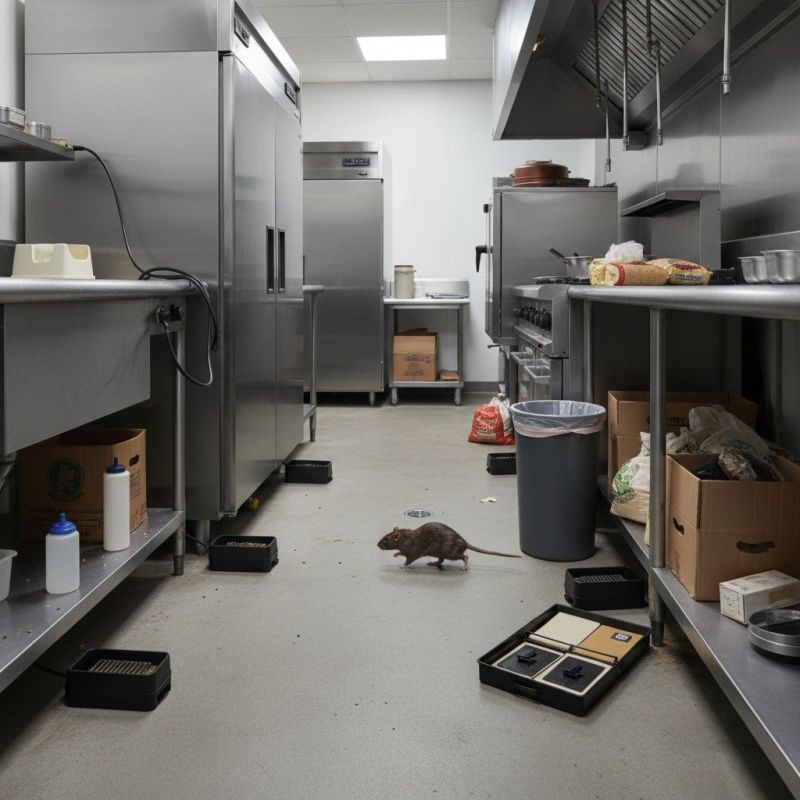
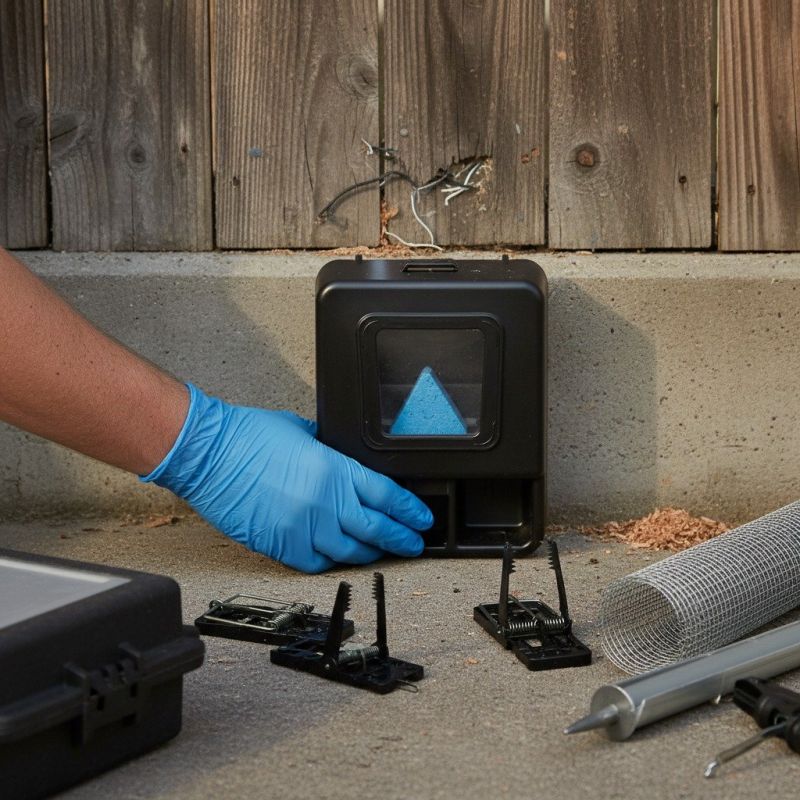

Understanding the common entry points rodents use to access properties is a key step in preventing infestations. When homeowners search this topic, they are often looking for practical information on how rodents, such as mice and rats, manage to get inside their homes or buildings. These pests are resourceful and can squeeze through surprisingly small openings, so identifying where they might enter is crucial for effective pest management. Many property owners are planning repairs, sealing projects, or simply trying to understand how rodents are getting in to better protect their spaces. Recognizing these entry points helps in creating targeted prevention strategies that can save time and reduce the risk of ongoing or future infestations.
The types of problems associated with rodent entry points typically involve damage to the property’s structure, contamination of food supplies, and health risks from droppings and urine. For homeowners, discovering rodents inside the home can lead to a sense of vulnerability and concern about disease transmission. Property plans often include sealing or blocking these access points as part of a comprehensive pest control approach. Local rodent pest control service providers are equipped to evaluate properties, locate these entry points, and recommend appropriate repairs or sealing methods. Properly addressing these vulnerabilities is an essential part of long-term rodent prevention and helps maintain a healthier, pest-free environment.
Properties that commonly come up in discussions about rodent entry points include residential homes, especially those with basements, attics, or crawl spaces. Commercial buildings, warehouses, and agricultural structures also frequently face issues with rodents gaining entry through similar vulnerabilities. Older buildings tend to be more susceptible, as their construction may include gaps, cracks, or deteriorated materials. Even newer properties are not immune if construction details leave openings or if maintenance issues develop over time. Local service providers specializing in rodent exclusion can assess these types of properties, identify where rodents might be entering, and implement effective sealing solutions to prevent future access.
For homeowners and property managers, understanding the common entry points rodents use to access properties is a practical step toward effective pest control. These entry points often include gaps around windows and doors, holes in walls or foundation, utility entry points, vents, and damaged roofing or soffits. Addressing these vulnerabilities can be part of a comprehensive plan that involves sealing, repairs, and ongoing monitoring. Local rodent pest control professionals play a critical role by inspecting properties, pinpointing specific entry points, and helping to implement solutions that keep rodents out. Properly managing these entry points not only reduces the chance of infestations but also supports overall property maintenance and health.
Home Inspection Projects - Professionals who perform home inspections often identify entry points rodents use to access properties, requiring specialized skills to evaluate potential vulnerabilities.
Gutter and Roof Maintenance - Gutter cleaning and roof repairs involve tools and planning similar to sealing entry points, helping prevent rodents from gaining access through roof vents or damaged areas.
Sealing and Weatherproofing Projects - These projects focus on closing gaps and cracks in building exteriors, aligning with rodent entry point prevention efforts handled by local contractors.
Foundation Repair Services - Addressing foundation cracks and vulnerabilities involves planning and skills comparable to sealing common entry points rodents may exploit.
Exterior Siding Replacement - Replacing or repairing siding can help eliminate access points rodents use, requiring similar techniques used in pest-proofing efforts.
Attic and Crawl Space Encapsulation - These projects involve sealing potential entry points in attics and crawl spaces, directly related to preventing rodent access through common entry points.
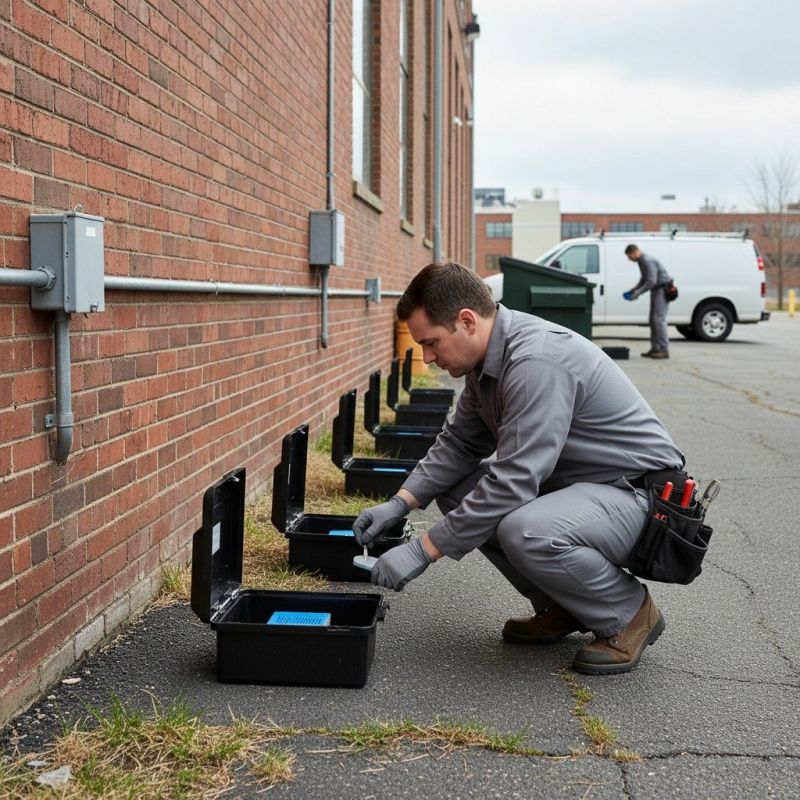
When comparing local contractors for rodent pest control, it is important to consider their experience with similar projects. Homeowners should inquire about the types of properties they have serviced and whether they have specific expertise addressing common entry points rodents use to access properties. A contractor’s familiarity with identifying and sealing these entry points can be a strong indicator of their ability to effectively manage the problem. Reputable service providers will often be able to demonstrate their knowledge through examples of past work or by explaining their approach to inspecting and addressing these vulnerable areas.
Clear written expectations are essential to ensure that homeowners and service providers are aligned on the scope of work. When evaluating potential contractors, it is helpful to review detailed descriptions of the services offered, including how they identify and seal entry points, and what measures are taken to prevent future infestations. A professional contractor will typically provide a transparent outline of their process and what the homeowner can expect at each stage. This clarity helps prevent misunderstandings and ensures that everyone is on the same page regarding the work involved.
Good communication and reputable references are key factors when selecting a local contractor for rodent control. Pros who are responsive and willing to answer questions about their methods and experience demonstrate professionalism and a commitment to quality service. Additionally, seeking references or reviews from previous clients can provide insights into the contractor’s reliability and effectiveness in handling issues related to common entry points rodents use to access properties. These steps help homeowners make informed decisions and connect with service providers capable of addressing their specific pest control needs.
Property owners often search for common entry points rodents use to access properties when they are planning practical projects around their homes and businesses. Local pros provide Rodent Pest Control services for everyday jobs and straightforward project options.
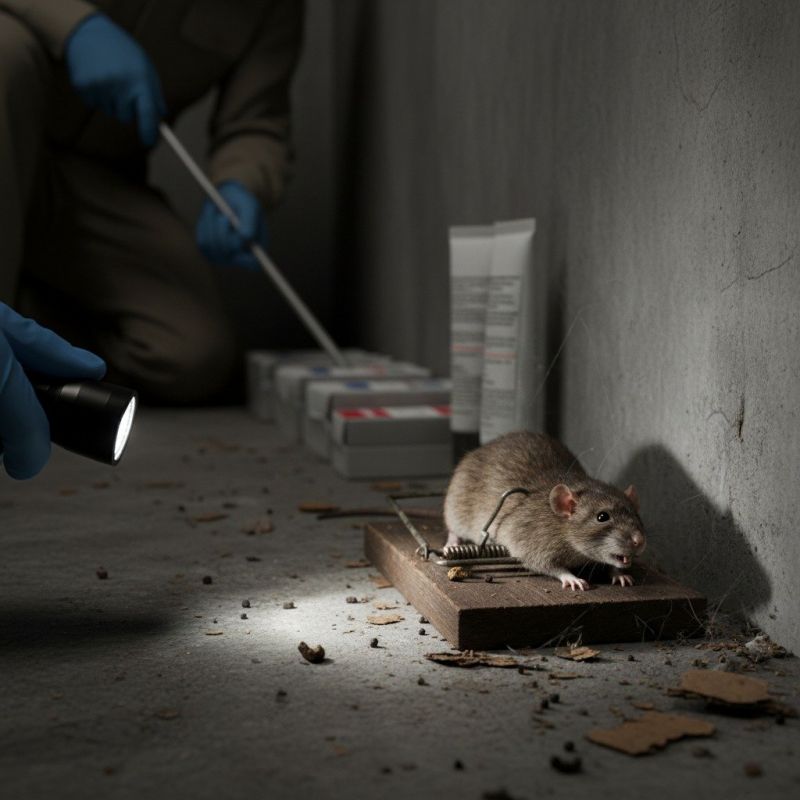
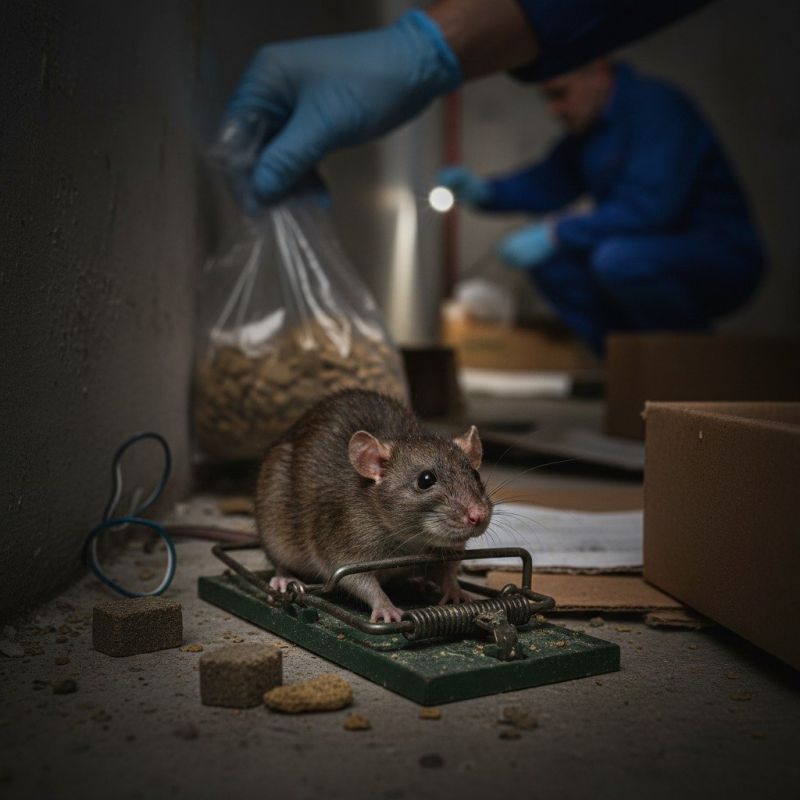
Understanding the common entry points rodents use to access properties can help homeowners identify vulnerabilities around their homes. These pests often exploit small openings in foundations, gaps around doors and windows, or cracks in walls and siding to gain entry. Recognizing these potential access points is a practical step in preventing infestations, especially for property owners who notice signs of rodent activity or want to reinforce their defenses before a problem arises. Local contractors specializing in rodent pest control can assess these entry points, recommend effective sealing strategies, and help eliminate existing rodents to protect the property from future invasions.
Many property owners seek out professional services to address rodent entry points because these pests can be persistent once they find a way inside. Common entry points like vents, utility line openings, and damaged roofing can serve as easy pathways for rodents. Engaging with local service providers experienced in rodent pest control ensures that these vulnerabilities are properly identified and sealed. These experts can also implement targeted trapping and exclusion methods, providing a comprehensive approach to keeping rodents out and safeguarding the property’s structural integrity.
What are common entry points rodents use to access properties? Rodents often enter buildings through small openings around doors, windows, vents, and utility lines. They can also squeeze through cracks in foundations, gaps in siding, and damaged roof vents.
How can I identify potential entry points for rodents? Signs include gnaw marks, droppings near entry areas, and visible gaps or holes in walls, foundations, or around utility entries. Local contractors can inspect your property to locate these entry points.
Are there specific areas on a property that rodents prefer to access? Rodents tend to favor areas close to food and water sources, such as basements, garages, and crawl spaces, especially where there are openings or damage that provide easy access.
What steps do local pest control providers take to seal entry points? They typically inspect the property for gaps and holes, then seal or repair these openings using appropriate materials to prevent rodent entry.
Why is it important to address entry points when controlling rodent infestations? Eliminating entry points helps prevent future invasions, making pest control efforts more effective and reducing the likelihood of recurring problems.
Inspect building openings - property owners can identify gaps and cracks around windows, doors, and foundations, then work with local contractors to seal these entry points.
Secure utility entrances - covering or reinforcing vents, pipes, and utility lines can prevent rodents from squeezing through small openings, with local pros providing effective solutions.
Maintain landscaping boundaries - trimming trees and shrubs away from the property reduces access points and makes it easier for local service providers to spot potential entry routes.
Install barriers and deterrents - adding mesh screens or barriers over potential entry points can be part of a pest control plan handled by local contractors to keep rodents out.
If you are thinking about common entry points rodents use to access properties for a property, this guide is meant to help you understand this topic, the typical project types, and how different options might fit your plans.
When you are ready, you can use the quote form on this page to share a few details about your project. From there, local pros can review the basics and follow up with options that match what you have in mind.